How to Review a Play: A Step-by-Step Template for First-Time Critics
A first press ticket is a strange gift. You get a good seat, a programme, and the sudden responsibility of having an opinion in public by breakfast. The performance will not pause while you find the right word, and the review has to be honest without being cruel, specific without turning into a plot summary. What follows is a working method for any new critic: six things to watch, in the order they will hit you, and a shape to write them into.
Before the Curtain: Prepare Without Prejudging
Read the play if a text is easy to find, but read it as a reader, not as an answer key. The production in front of you is one interpretation, and your subject is that interpretation, not the version in your head. Skim the programme for the running time, the cast list, and any note about cuts or doubling. If the play is a revival or a translation, knowing which one matters — a 1950s English version and a contemporary translation can be different plays.
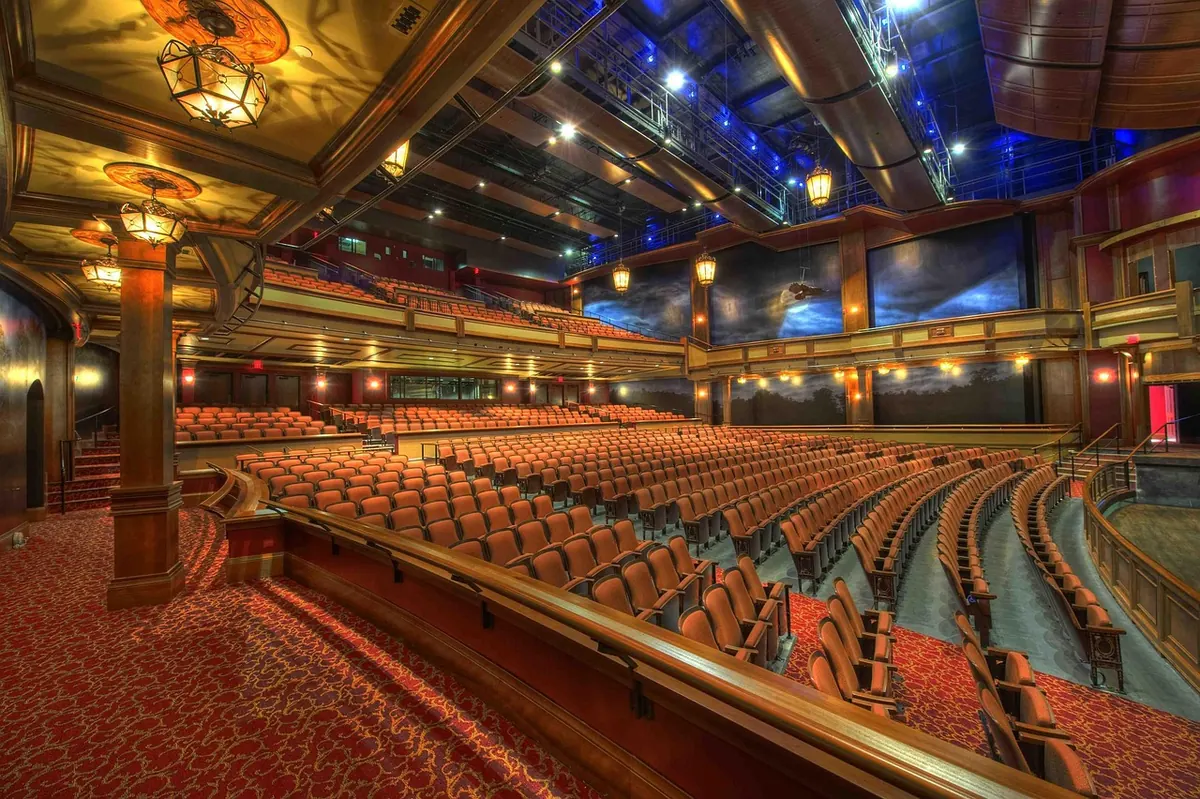
Leave the other reviews alone until your draft is finished. It is surprisingly hard to un-read a clever line, and a phrase borrowed at nine in the evening will feel like yours by eleven. Arrive early enough to sit in the auditorium before the lights go down. That first impression of the room — the size, the emptiness, the hum — is useful material and impossible to recover later.
Plot and Pace: Say Enough, Spoil Nothing
Write the story out for yourself in two sentences, then put those sentences away. The reader needs to know what kind of evening this is: the premise, the pressure, the question the play is asking. They do not need the ending, the twist, or the identity of the person behind the door.
To discuss structure without giving anything away, describe effects rather than events. "The second act loses its footing" tells a reader everything useful; naming the confession that opens it takes away a reason to buy a ticket. Watch where the audience leans forward and where it shifts in its seats — the room is a reasonably reliable gauge of pace. If a scene drags, decide whether the writing, the staging or the playing is responsible, and say which. That distinction is the difference between a review and a complaint.
Acting: Look for Choices, Not Volume
Note two moments per performer, no more. Memory is lazy and general; specifics are what make a paragraph convincing. The useful question is never "was this good?" but "what did this actor decide to do?" A hand that stays still through an argument, a line delivered to the floor rather than the other character, a laugh that arrives half a beat early — these are the evidence.
- Is the actor reacting to the other person, or waiting for a cue?
- Is the physical life specific — walk, weight, where the hands go — or generic?
- Can you hear the text? Clarity is not the same thing as volume.
- Does the performance change between the first and second half, or stay on one setting?
Praise with evidence. "She makes the final refusal sound like a decision rather than a line" is worth more than "she is superb". Keep actor and character apart, too. A dislikeable character is not a bad performance, and some of the most useful sentences in a young critic's notebook begin: I didn't enjoy this, and it was working.
Design: Ask What It Argues
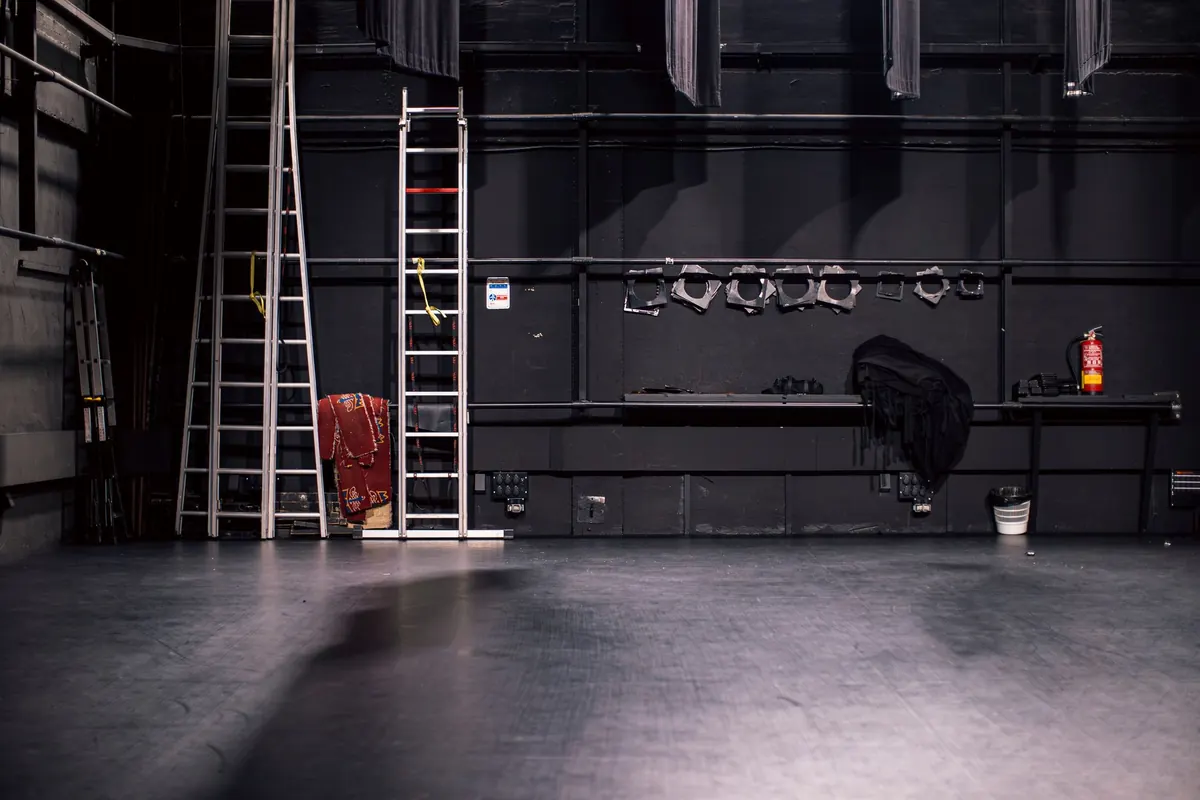
Set, costume, lighting and sound are not decoration; they are an argument about the world of the play. A bare stage with four chairs says something. So does a revolve. So does a naturalistic living room lit like a rock concert. Your job is to work out what the design is claiming, then whether the claim holds.
Look for friction. A period play in modern dress can sharpen a scene or simply confuse it, and the difference is usually whether the acting matches the clothes. Costume that dates the action deliberately is a choice; costume that dates it accidentally is a problem. Can you see faces at the moments that matter? Can you hear the words over the underscoring? These sound like technical questions, and they are — but at this level, technique and meaning are the same conversation.
Direction: Find the Through-Line
Direction is the hardest thing to see because it is everything you cannot attribute to someone else. It shows up in cuts, casting, doubling, the setting of a scene in a different decade, the decision to play a famous speech with the lights half down. Ask what the production is arguing about the play, and whether that argument serves the text or the idea.
Two tests are quick and usually fair. First, does the world feel populated when the lead is offstage? Second, who owns the pauses? A production in which every silence belongs to the same performer is usually a production with one idea. When a concept works, say why in a sentence — that is the most valuable thing a first-time critic can offer a reader.
The Audience in the Room
How full was the house, and where was the laugh? Comedy is a useful instrument: it tells you precisely where the production has connected and where it has not. Silence in a moment built for laughter is information, not a verdict on the audience. Note unusual responses without moralising about them.
Press nights are unreliable rooms. Critics laugh differently from a Friday crowd, and a half-empty matinee will flatten a play that plays well at eight o'clock. Say so if it changed the evening, and mention phones, latecomers or a school group in the balcony only when they genuinely altered what happened on stage.
Your Template, In Order
Six paragraphs will carry almost any review. Adjust the proportions to the production, not the other way round.
- Opening. What this is, where it is, who made it, and the one thing a reader should know. Sixty to eighty words.
- The evening in brief. Premise, form, running time, the kind of night it is. No spoilers.
- The argument. Direction and design — what the production is doing with the play, and whether it works.
- The performances. Two or three named actors, each with a moment as evidence.
- The room. A sentence or two on the audience and the theatre itself.
- The verdict. Specific, proportionate, addressed to someone deciding whether to go.
File within a few hours, while the second act is still vivid. Read the draft aloud — anything you cannot say out loud is probably a phrase you borrowed rather than heard. Check every name and spelling against the programme, and cut any adjective you cannot defend with a moment from the performance. Then send it, and go to bed. The next one will be easier.
Photo: StartupStockPhotos / Pixabay
You Might Also Like
Opera, musicals and straight drama share a stage but ask different things of an audience. A practical guide to spotting the differences before you book a ticket.
A practical guide to Italian audience customs — when to clap at the opera, how to shout bravo correctly, why booing is a tradition, and how to handle the curtain call.