Balcony, Stalls, or Box Seats? A Beginner’s Guide to Choosing Theater Seats
Every seat map is a promise and a small act of faith. You are staring at a grid of grey rectangles, a price column and a theatre you have probably never set foot in, trying to work out whether row L will place you close enough to see an eyebrow move or far enough back to spend three hours squinting at a blur. The difference between a thrilling evening and a long one often comes down to that guess.
The good news is that seating areas behave fairly predictably. Once you know what each part of a house is built to do — and what it quietly costs you — you can stop guessing and start choosing.
Read the Room Before You Read the Rows
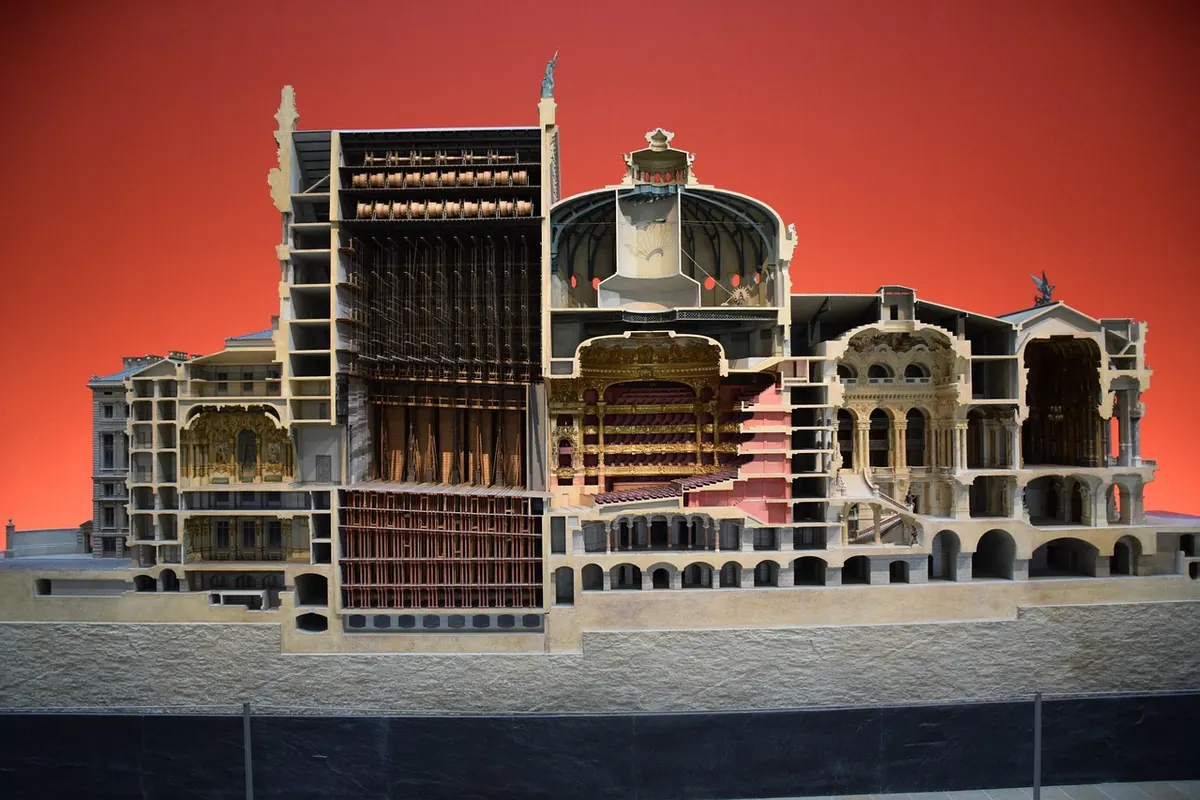
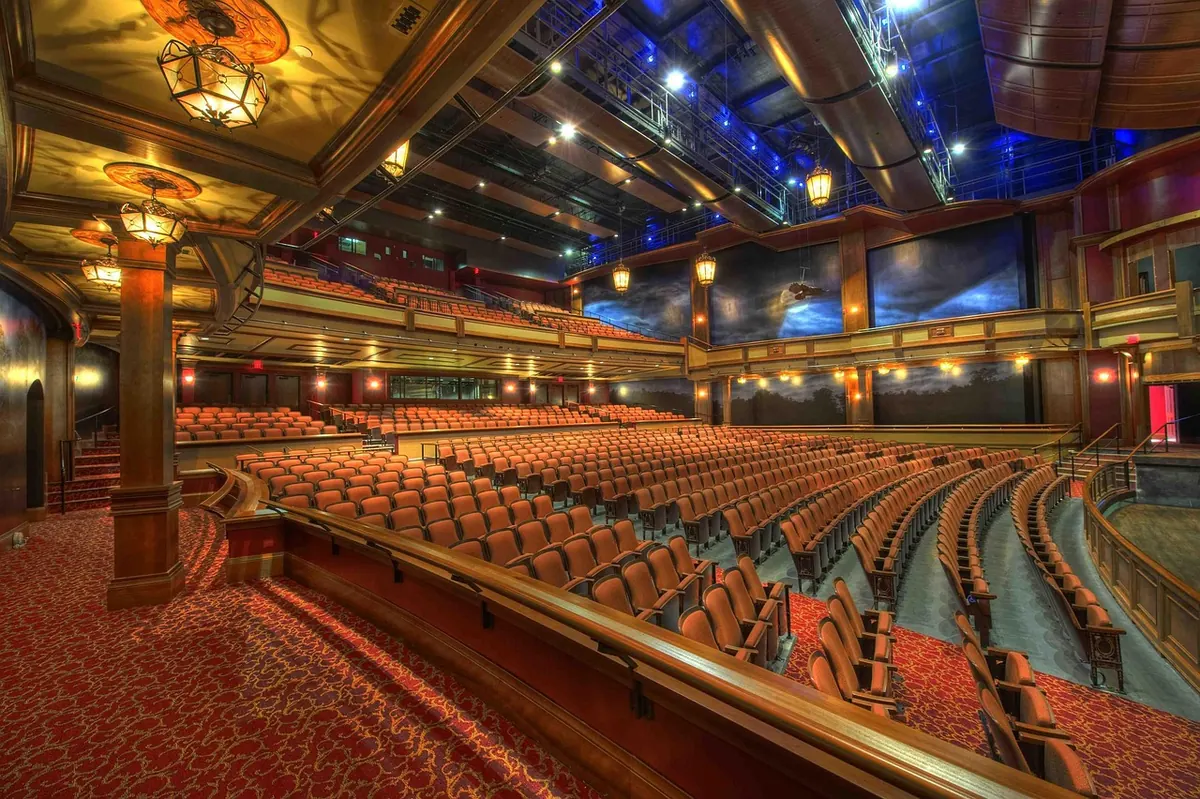
Names change from country to country and from one century-old house to the next; the logic does not. The ground floor in front of the stage is the stalls, also called the orchestra or parterre. Above it sits the first balcony — dress circle, mezzanine or first tier. Higher still is the upper circle, balcony, gallery or amphitheatre, usually the cheapest place in the building. Boxes are the compartments at the sides, and occasionally at the back of the stalls.
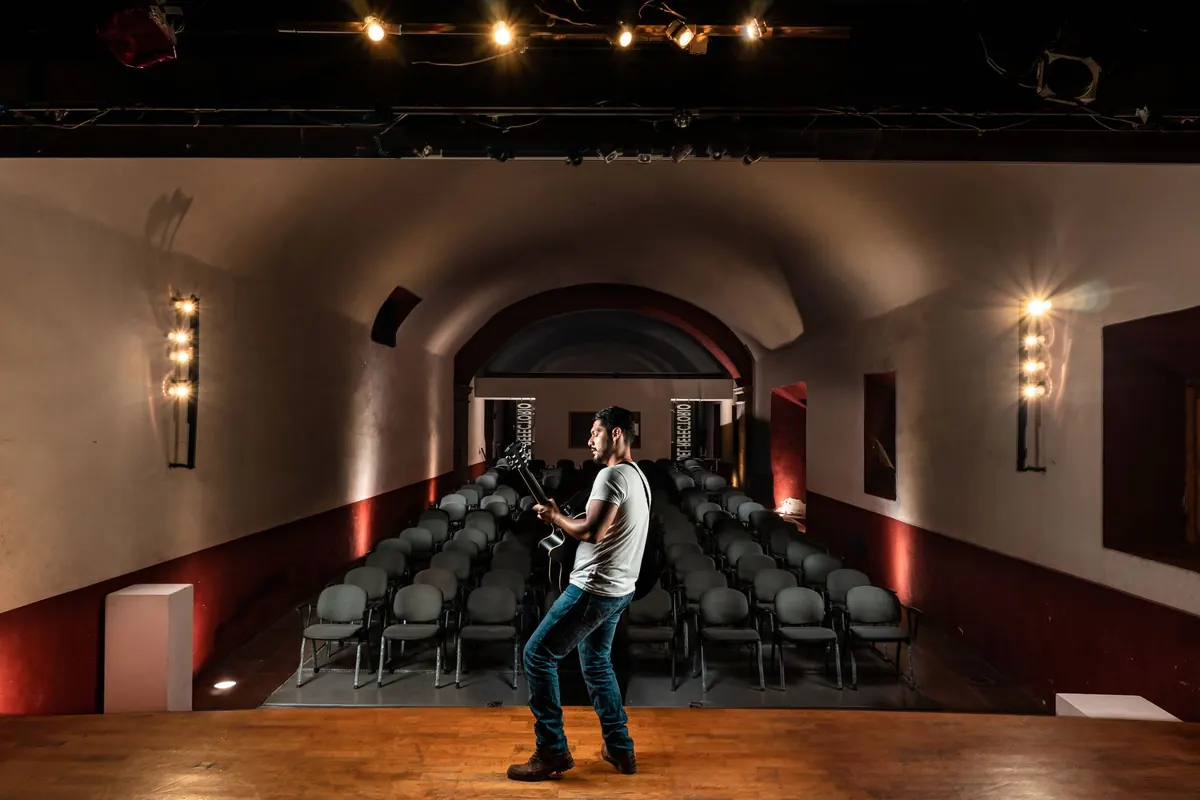
Before you compare rows, look at the shape of the auditorium, because it matters more than the number on your ticket. In a proscenium house — the classic picture-frame stage — the further back you sit, the more the evening becomes a framed image. In a thrust theatre, where the stage pushes out into the audience, the sides come into their own, though you may lose whatever happens upstage. In the round, almost every seat is a good one, and almost every seat shows you the back of someone's head for part of the night. A black box gives you no map at all, just a stack of chairs and a question worth asking the box office: where will the action actually happen?
The Stalls: Proximity, and What It Costs
The stalls are where the money goes, and usually for good reason. You see faces rather than silhouettes. You catch the small, quiet work — a hesitation, a hand tightening on a glass — that reads as nothing from thirty rows back. The orchestra, when there is one, is right in front of you, and the sound has a physical presence no upper level quite matches.
The trade-offs are real. Top-price seats in the first few rows can be worse than mid-stalls: the sound from the pit tends to sail over your head, the stage floor cuts off anything low, and you spend the evening tilting back like a tourist photographing a cathedral. Seats tucked under the overhang of the dress circle can feel enclosed, and sound sometimes deadens there. An aisle seat is worth a small premium if you dislike the shuffle of a tight row, and older houses have some very tight rows indeed.
Best for: plays, chamber music, recitals — anything where you want to watch a performance rather than a production.
The Balcony: The View From Above
The balcony is where experienced audiences go when they are paying for themselves. From the front row of an upper level you get the whole stage picture at once: the shape of the choreography, the geometry of a set, the ensemble scenes that turn to mush from the stalls. Surtitles for opera are usually easier to read from above. Sound often blooms up there too, which is why the front of the balcony is frequently the best-value seat in the house.
What you give up is detail. Faces become small, and if a production depends on a whisper, you will feel the distance. Upper levels in old houses can be steep, tight on legroom and warmer than the rest of the building; heat rises, and so does the interval queue. If you are uneasy with heights, take an aisle seat near a handrail, and check whether there is a lift, because in some theatres the gods really do mean stairs.
Best for: musicals, dance, opera, large-scale productions — anything with a big picture worth seeing whole.
Box Seats: Charm, Angles, and the Occasional Pillar
Boxes are sold on romance, and sometimes they deliver. Sitting slightly to one side of the stage gives you an angle nothing else does: you see into the wings, catch the quick change, notice the actor waiting in the dark for an entrance. The atmosphere is private, sociable and a bit theatrical in itself.
It is also where the compromises hide. Side boxes are often sold as restricted view, and the warning is not decorative — from a steep angle you can lose upstage action, see the back of a performer's head during a key speech, or find yourself with a clear view of the fly rail instead of the scene. Some houses sell a whole box rather than individual seats, which changes the arithmetic entirely. And the box furthest from the stage? Charming, but you are effectively watching from the neighbouring building.
Best for: a special occasion, a group of friends, a show you have already seen, or a house whose boxes sit close to the stage rather than beside it.
Comfort and the Details Nobody Prints on the Ticket
Two seats at the same price can offer completely different evenings. Before you commit, look for the small print and the symbols on the map:
- Overhang. Seats beneath a balcony can be cheaper for a reason: a low ceiling, duller sound and no sight of the upper part of the stage.
- Pillars. Support columns in older houses are genuine obstacles. Restricted view usually means exactly that.
- Rails and parapets. The front row of an upper level can have a safety rail at precisely eye level.
- Legroom and width. Historic theatres were built for smaller people. If you are tall, book an aisle.
- Steps and lifts. Ask before booking if stairs are a problem; not every house has step-free access to every level.
- Temperature. Upper levels run warm. Layers, not coats.
Wheelchair spaces, hearing assistance and companion seats vary enormously from one building to the next, so a two-minute call or email to the box office is time well spent. Staff will usually tell you honestly which seats they would avoid, and they know the house in a way no website does.
Match the Seat to the Show
Different art forms want
Photo: 12019 / Pixabay

You Might Also Like
Opera, musicals and straight drama share a stage but ask different things of an audience. A practical guide to spotting the differences before you book a ticket.
A practical guide to Italian audience customs — when to clap at the opera, how to shout bravo correctly, why booing is a tradition, and how to handle the curtain call.